


Chore Chart: Family Rewards
4.041.00 Reviews
App Specs
- Version
- 1.36.1
- Updated On
- License
- Free
- Downloads
- 10,000+
- Developer
- Shun Lyu
- Categories
- Parenting
- Platform
- Android
Screenshots
 Analysis by AppCompare
In a shared home, a chore chart can become one more thing for a parent to manage: deciding what needs doing, remembering who agreed to do it, and keeping the reward fair. I find Family Rewards: Habit & Chores most interesting as a way to make those expectations visible and give children a part in the routine. It is a free parenting app from developer Shun Lyu, with a four-out-of-five average from over 250 ratings and more than 10,000 installs. Its core idea is simple, but whether it helps depends on how thoughtfully a household sets it up.
A shared routine, not a substitute parent
Picture a weekday evening: one child has homework, another is supposed to tidy up, and you are trying to get dinner ready without repeating the same reminders. A family task app can give everyone a place to check what is expected. The useful change is not that chores disappear; it is that the agreement can be made before the busy moment, when there is more room to discuss what counts as finished and what a reward means.
I would use the app as a prompt for that conversation, rather than treating it as an automatic referee. For example, “put away your things” can mean very different things to a parent and a child. Agreeing on a practical definition first prevents points from becoming an argument about whether a job was really done. That small step is especially worthwhile when children share a room or when several people contribute to the same household task.
Set expectations before adding tasks
Each child having a profile can help keep individual responsibilities legible, but a profile should not become a reason to turn every family habit into a score. I would start with a short list of recurring responsibilities that genuinely cause friction, then add occasional chores only when they arise. A smaller, clearer routine is easier to remember and easier to maintain than a long catalogue of jobs that nobody checks.
It also helps to decide which tasks are part of ordinary family life and which ones earn points. If every basic expectation has a reward attached, children may come to see helping only as a transaction. A balanced setup can reserve points for specific jobs or habits while still making room for unscored acts of cooperation. The app supplies a framework; the family decides what its rules teach.
Before relying on it across a household, I would check how each person will use the app and agree who is responsible for confirming a completed task. Shared devices can be convenient, but they can also blur who marked something done. A quick family rule—such as checking together at a regular time—can reduce confusion without making the phone the center of every chore discussion.
Using rewards, reminders, and family coordination
I’d use this section to think through how rewards and reminders fit the family’s actual rhythm, rather than adding them simply because they are available. A helpful starting point is to agree on one easy-to-check task and a modest reward, then see whether the arrangement reduces confusion or creates more negotiation. That trial also makes it easier to decide how everyone should coordinate around shared devices and completed chores.
Worth Reading Before You Choose

EA SPORTS FC Mobile 26 Is a Bigger Football Game, but It Takes Time

Flipboard Shows What News Apps Must Do Beyond the Feed

Switching to Android Auto Means Rethinking Your Driving Routine

Google Calendar Makes a Crowded Week Easier to Manage

Ludo King Makes the Most of the Minutes Between Plans

Baby Panda World Brings Quick Play to Modern Phones, but Its Game Library Feels Busy
Make points feel fair and rewards achievable
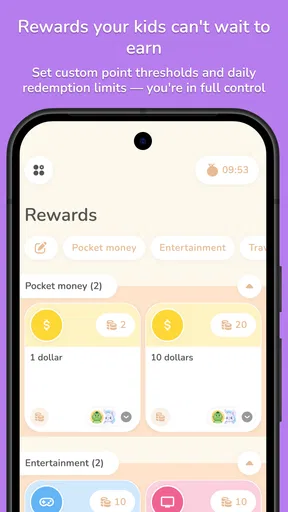
The points-and-rewards approach works best when children understand the exchange. I would choose a few rewards that are realistic for our household, explain how many points each requires, and avoid changing the goal after a child has started working toward it. A reward does not need to be expensive: choosing a family activity or getting to pick a weekend treat can be meaningful if the child actually values it.
Different chores do not need identical point values. A quick daily habit and a longer job can reasonably be treated differently, but the reasoning should be understandable to the children. If they think the system is arbitrary, they may focus more on disputing scores than completing tasks. Reviewing the values together after trying them for a while can make the arrangement feel collaborative rather than imposed.
Keep reminders useful rather than noisy
Reminders can shift some of the prompting away from a parent, which is helpful when the household is busy. They work best when they arrive at a sensible moment and point to a task the child can actually complete. If many tasks are scheduled close together, frequent notifications may become background noise—or feel like nagging from a different source. I would begin with only the reminders the family truly needs and adjust the task schedule if alerts start to irritate everyone.
Streaks can encourage consistency, but they are not a good fit for every child or every habit. A missed day because of illness, travel, or an unusually difficult schedule should not turn a useful routine into a source of guilt. I would treat a streak as a bit of encouragement, not a measure of character, and be ready to reset expectations when real life interrupts the plan.
Coordinate without turning siblings into rivals
Letting children suggest tasks can give them a real voice in how the household runs. I would use that option to ask what they feel ready to take on, then agree together on what a completed task looks like. This can reveal that a child is willing to help but needs a job broken into smaller steps, or that a proposed responsibility does not fit the family’s routine.
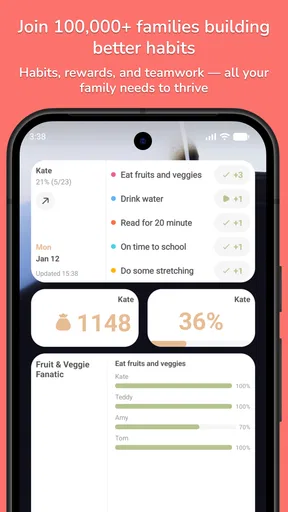
A leaderboard may be fun for siblings who enjoy friendly competition, but it can also make the same system feel unfair to children of different ages or abilities. I would avoid comparing totals as if each child had identical responsibilities. A family goal, or simply recognizing effort and follow-through, may be a better emphasis in homes where competition causes resentment. The app can support coordination, but parents still need to decide when comparison is motivating and when it is counterproductive.
Age, trust, and household boundaries
The app is rated for Everyone, but that does not mean every setup suits every age. Younger children may need an adult to explain tasks, rewards, and reminders; older children may respond better when they have a say in what they are responsible for. For teenagers, a system that feels like surveillance can backfire, so I would discuss the purpose openly and give them room to manage appropriate tasks themselves.
On a shared phone or tablet, agree who can view or change tasks and how the family will handle accidental taps or disputed completions. I would not assume that a profile alone settles those boundaries. A calm check-in is more useful than silently changing a child’s points, and it helps preserve trust in the system. If children do not have regular access to a device, a paper reminder or a spoken routine may be more practical than expecting them to check an app.
Where it fits among chore-chart alternatives
Compared with a paper chart on the fridge, a digital system is easier to consult away from the kitchen and can make points and reminders part of one routine. The trade-off is that a chart is visible without unlocking a device, does not generate notifications, and can be simpler for young children or households that want less screen time. A shared calendar can be better for coordinating appointments and family events, while a dedicated task app is more focused on household responsibilities and incentives.
I would choose this kind of app when the family wants children to see tasks and rewards in one place, and when the adults are willing to maintain the arrangement. I would skip it if the main problem is disagreement about parenting rules, if notifications are unwelcome, or if the family wants chores to happen without points. No app can make a reward motivating to a child who does not care about it, and no leaderboard can resolve an unfair division of work on its own.
What to expect from the app
The app is free to download, with in-app purchases ranging from about a dollar to about fifty dollars per item. I would check the purchase details before allowing a child to use a device independently, particularly if the device is shared. It is rated for all ages, and version 1.35.6 requires Android 7.0 or later. Those details make it sensible to check compatibility and device purchasing settings before building a routine around it.
It has been available since March 2024, and its current version is 1.35.6. The rating and install figures suggest that families have tried it, but they cannot tell me whether its approach will suit a particular household. The more useful test is whether the family can agree on a few tasks and rewards, use them consistently, and still talk through exceptions without letting the app make every decision.
Getting Started with Family Rewards
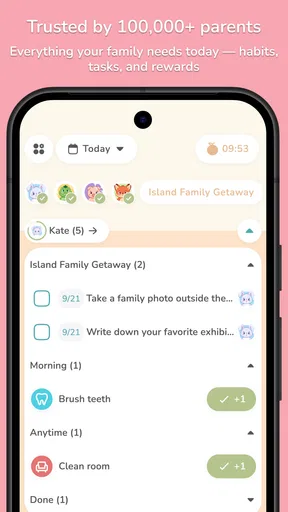
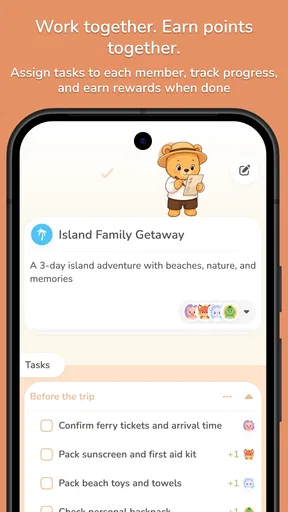
First off, setting up Family Rewards: Habit & Chores is a breeze. You can download it directly from the App Store or Google Play, which is super convenient. Once installed, you create a family account and add the little (or not so little) members of your household. Each family member gets their own profile, and you can start assigning chores and habits right away.
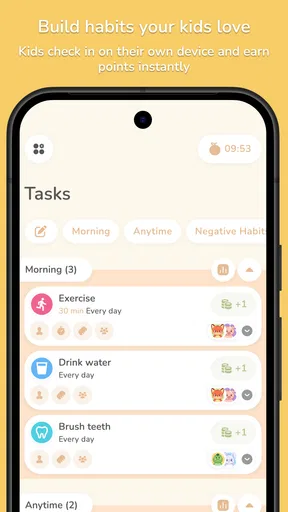
The interface is user-friendly, with a bright and cheerful design that’s bound to catch the eye of your young ones. The app allows you to set tasks for each kid, whether it’s cleaning their room, doing homework, or even just brushing their teeth. You can also set up recurring tasks or one-time chores, making it flexible to fit your family’s needs.
How It Works
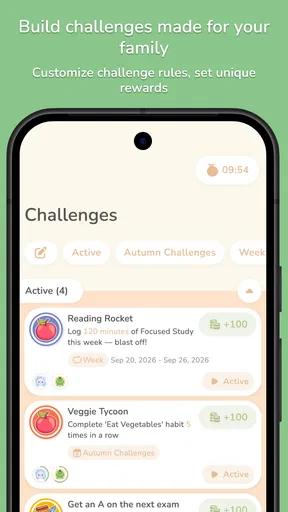
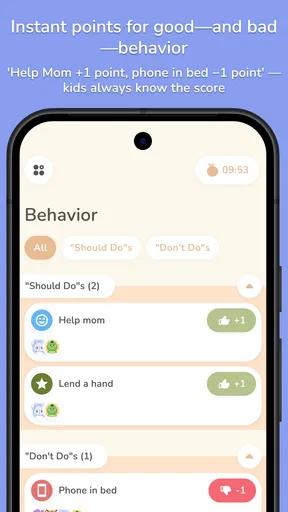
The main idea here is to motivate kids through a points and rewards system. Each task completed earns them points, which they can later redeem for rewards. You can customize these rewards to be whatever you think will motivate your kids—extra screen time, a trip to get ice cream, or even a small toy.
The points system is quite intuitive, and the app even suggests some reward ideas if you’re stumped. What’s really cool is that you can adjust the number of points each task is worth, so tougher chores can earn more points. This flexibility is a game-changer because it allows you to tailor the system to what works best for your family.
Keeping Kids Engaged
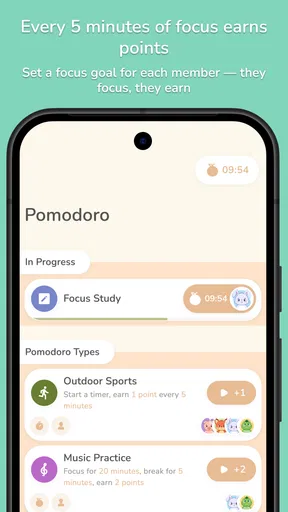
One of the standout features is the app’s ability to engage kids. It’s like a game, and who doesn’t love games, right? The app includes a streak feature, encouraging kids to complete tasks consistently to keep their streak alive. It’s surprisingly motivating, even for the most chore-averse kids.
Additionally, the app sends reminders for tasks. This means you don’t have to be the nagging parent constantly reminding them to do their chores. Instead, the app takes on that role, and for some reason, kids seem to listen to digital reminders better than our voices!
Family Collaboration
What I love about Family Rewards: Habit & Chores is how it promotes family collaboration. The app allows kids to suggest tasks they’d like to take on, which gives them a sense of ownership. Plus, it creates a sense of teamwork as everyone works towards earning rewards together. It’s a win-win situation!
There’s also a leaderboard feature, which brings a bit of friendly competition into the mix. Kids can see how they stack up against their siblings, and it’s a fun way to encourage them to stay on top of their chores.
Room for Improvement
While the app is fantastic, it’s not without its quirks. Sometimes, the notifications can be a bit too frequent, especially if you’ve set up a lot of tasks. It would be nice to have more control over the frequency of reminders.
Additionally, although the app’s design is engaging, adding more customization options for themes or avatars could make it even more appealing. Kids love personalization, and a little more of it could go a long way.
Lastly, while the app works great for small families, larger families might find it a bit cumbersome to manage. Some additional features for larger groups would be beneficial.
Final Thoughts
All in all, Family Rewards: Habit & Chores is a solid app for turning chore time into a fun and rewarding experience. It’s a creative way to teach responsibility while also giving kids a sense of accomplishment. Whether you have toddlers or teens, this app offers something for everyone.
So if you’re tired of the constant chore battles and are looking for a way to bring some peace and fun into your household, give it a try. It might just be the solution you’ve been searching for!
Pros
- Encourages family collaboration.
- Customizable reward system.
- User-friendly interface.
- Syncs across multiple devices.
- Motivates children effectively.
Cons
- Limited free version features.
- Occasional sync issues.
- Requires consistent updates.
- Ads in free version can be intrusive.
- No offline mode available.
FAQs for Chore Chart: Family Rewards
What is Family Rewards: Habit & Chores and how does it work?
Family Rewards: Habit & Chores is an app designed to help families manage daily tasks and habits effectively. It allows parents to assign chores and track progress, rewarding kids for completing tasks. The app is equipped with features like customizable tasks, reward systems, and progress tracking to encourage responsibility and teamwork within the family.
Is Family Rewards: Habit & Chores suitable for all ages?
Yes, Family Rewards: Habit & Chores is designed to be user-friendly for both parents and children of various ages. The app allows parents to tailor tasks and rewards to suit the age and ability of each child, making it a flexible tool for teaching responsibility and good habits from a young age.
Does the app require an internet connection to function?
Family Rewards: Habit & Chores primarily functions offline, allowing users to access most features without an internet connection. However, certain functionalities, such as syncing data across devices or accessing updates, may require a connection. This ensures that families can use the app conveniently, even with limited internet access.
Are there any in-app purchases or ads in Family Rewards: Habit & Chores?
Family Rewards: Habit & Chores offers a free version with basic features, but it may include ads. For an enhanced experience, users can opt for in-app purchases to unlock additional features and remove ads. This flexibility allows users to choose a plan that best fits their family’s needs and budget.
How customizable are the tasks and rewards in the app?
The app offers a high level of customization, allowing parents to create specific tasks and set personalized rewards. Users can tailor tasks based on difficulty, frequency, and type, while rewards can be aligned with each child's interests and motivations. This customization helps maintain engagement and encourages consistent participation from children.


